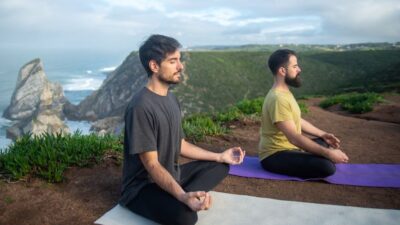
Embrace the Power of Digital Detox
Let’s face it, guys—our lives are tethered to our devices more than ever before. In 2026, smartphones, smartwatches, and a plethora of gadgets are integral to our daily routines. But here’s a radical thought: take a break from them. A digital detox might just be the refresh button your mind needs. Research from Stanford University highlights that even a 24-hour break from screens can significantly lower stress levels and enhance your mental clarity. So, why not pick a day to go offline, perhaps spend a Saturday exploring Central Park or hiking in the Rockies? Reconnect with nature and watch as your resilience meters go back up.
Get Physical with Functional Fitness
You’ve heard it before, but it bears repeating—exercise is king when it comes to mental fortitude. However, let’s shift the focus a bit. Instead of just pumping iron at the gym, incorporate functional fitness into your regimen. This style of workout, popularized by gyms like F45 in New York and CrossFit affiliates worldwide, mimics everyday movements and boosts both your physical and mental endurance. Studies have shown that these workouts improve not only your physical health but also your mental resilience by reducing anxiety and depression symptoms by over 30%. So next time you’re choosing a workout, think beyond biceps and triceps.
Practice Mindful Journaling
Journaling isn’t just for poets or novelists. It’s a powerful tool for clearing the mental clutter. In 2026, the trend is all about mindful journaling. This practice involves setting aside a few minutes each day to write down your thoughts and feelings without judgment. It’s been proven to boost emotional intelligence and resilience by allowing you to process emotions and reflect on your experiences. Pick up a sleek Moleskine from the local Barnes & Noble or download an app like Day One, and start your journey into your own mind.
Build Your Tribe
No man is an island, and the power of a solid support network cannot be overstated. In fact, the Harvard Study of Adult Development has shown that close relationships are a significant predictor of long-term happiness and resilience. So, invest time in building your tribe. Whether it’s through a local men’s group in Austin or a virtual mastermind session with your college buddies, having a dependable network is crucial. These connections provide a safety net when life throws its curveballs, helping you bounce back stronger and faster.
Master the Art of Self-Compassion
We can be our own worst critics, constantly scrutinizing ourselves against impossible standards. But here’s a tip: cut yourself some slack. Self-compassion is all about treating yourself with the same kindness you’d offer a friend. Research from the Self-Compassion Lab at UC Berkeley suggests that this approach can significantly enhance mental resilience, leading to better stress management and reduced perfectionism. Take a moment to acknowledge your efforts and celebrate small wins. Your mental well-being will thank you.
Explore the Depths of Stoicism
Ever wondered how ancient philosophers kept their cool? Stoicism offers timeless wisdom that is surprisingly relevant today. The teachings of Marcus Aurelius and Seneca encourage focusing on what you can control and letting go of what you cannot. This mindset shift can be transformative, especially amidst life’s uncertainties. Delve into stoic philosophy with resources like Ryan Holiday’s ‘The Daily Stoic’, and incorporate these principles into your daily routine. It’s a road less traveled, but one that leads to unshakeable mental resilience.
Invest in Quality Sleep
Last but certainly not least, let’s talk about sleep. It’s the unsung hero of mental resilience. In 2026, with tech like sleep-tracking mattresses from companies like Sleep Number, we’re equipped to optimize our slumber. Aim for 7-9 hours per night, as recommended by the National Sleep Foundation. Quality sleep enhances cognitive function, emotional regulation, and overall mental health, acting as a powerful buffer against stress. So, prioritize that shut-eye, and wake up ready to tackle whatever the day throws your way.
Here’s your takeaway: mental resilience is not just an innate trait but a skill you can hone. By integrating these practices into your lifestyle, you’re setting yourself up for a mind that can take on the world—no matter what changes the future holds.